Published on Jul 29, 2026
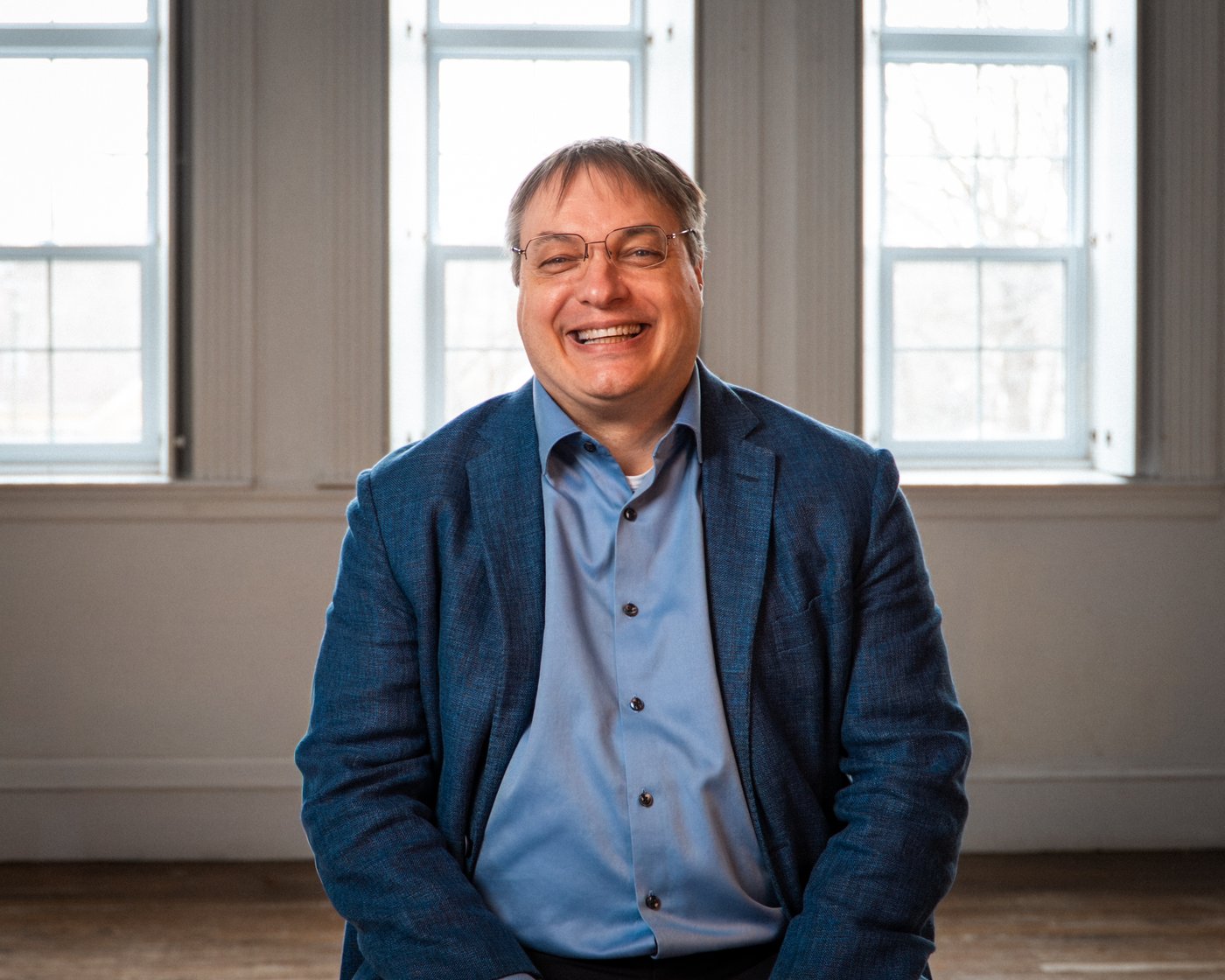
Dr. Stuart Thiel, Program Chair, Computer Science at the University of Fredericton, has always been drawn to computer science's rare combination of structure and imagination.
“The field of computer science is both precise and highly creative,” says Dr. Thiel. There is always another layer to uncover, another problem to understand and another opportunity to build something. “Computer science is basically like an onion,” he explains. “Every time I peel off a layer there’s something new, interesting and exciting, so I actually never get bored.”
Dr. Thiel describes his teaching style as rigorous but supportive. "I don't believe in watering down material, but I also believe in bringing a huge amount of support,” he says. It’s a teaching approach known as productive failure.
Students are given the room to explore and make mistakes as they learn. “You need to give students an opportunity to be challenged, to even fail so that they can grow,” he says. “That gives them a much deeper understanding of material.”
His approach to teaching gives students structure, but it also gives them space to build confidence over time. Once they can see the boundaries, he says, they can begin to understand what is possible within them.
Dr. Thiel brings a background in games to UFred’s computer science program; he once ran a games research lab. He has worked with indie game companies and is also the author of Chess Mod, the most popular chess mod in Minecraft.
Games, Dr. Thiel says, can help students see computer science as something active and engaging. They turn abstract ideas into problems students can explore in a more familiar way.
Where the real value comes for computer science is teaching people how to understand the code that's produced.
“I often make my students do simple games, or I incorporate the idea of games,” he says. “When they’re comfortable, when they’re relaxed, when they’re thinking about solving a problem in those terms, they can spend a huge amount of time on it without thinking twice about it.”
Games and stories also help students see that computer science is about more than what appears on screen. It is about solving problems, designing systems and understanding how all the different parts work together.
Dr. Thiel says the value of computer science education is not disappearing in the age of AI. It is becoming more important.
Artificial intelligence may feel new, but Dr. Thiel notes that AI is actually one of the oldest disciplines in computer science and that there have always been other means of getting code. “I have many students who, before AI, would look heavily on a place called StackOverflow to find code that they didn't write themselves in,” he says. “The same problem was there.”
AI can produce small pieces of code quickly, he says, but it is not responsible for that code. It does not understand the context where it will be used, how a system might change or what may be needed later.
Functional code is only the beginning. Students need to know why it works. They need to understand what could break and what assumptions they have made whether they wrote the code themselves, or AI produced it for them.
“Where the real value comes for computer science is teaching people how to understand the code that’s produced,” says Dr. Thiel. “It’s not correct until you know why it’s correct,” he says.

Computer science is basically like an onion. Every time I peel off a layer there's something new, interesting and exciting, so I actually never get bored.
Beyond his academic work, Dr. Thiel’s curiosity shows up in unexpected ways. He has earned a black belt, an experience that shaped the way he thinks about problem-solving. In martial arts, he says, every situation becomes a problem to solve. The same kind of focus can be applied to computer science.
His home life gives him opportunities to unplug as a family. Dr. Thiel and his wife, his high school sweetheart, have been together for about 30 years. They have a daughter who is now looking at university and considering computer science herself. He likes movies, Mario Kart and Dungeons & Dragons.
When Dr. Thiel thinks about what students should take from UFred’s computer science program, he hopes they leave with more than the technical knowledge. He wants students to truly understand what they are building and remain lifelong learners who ask the right questions as technology inevitably evolves.
“I want them to always look at it critically, to think, what's good about this? Who's benefiting from this? How could I make it better? And is it actually doing what I needed to do?” he says. “If they take that thinking away, then I think they'll all succeed.”
This is the kind of thinking students are encouraged to develop in the University of Fredericton’s Bachelor of Computer Science program — not just learning how technology works, but understanding what technology makes possible.
We make it simple to take the next step in your education. Our Program Advisors are happy to help you apply. Begin whenever works best for you.
UFred’s Bachelor of Computer Science ranked among Canada’s top online CS degrees.
Read more >
The University of Fredericton is pleased to announce the appointment of Dr. Stuart Thiel as Program Chair, Computer Science.
Read more >
Explore computer science careers, salaries and paths with UFred’s online CS degree.
Read more >