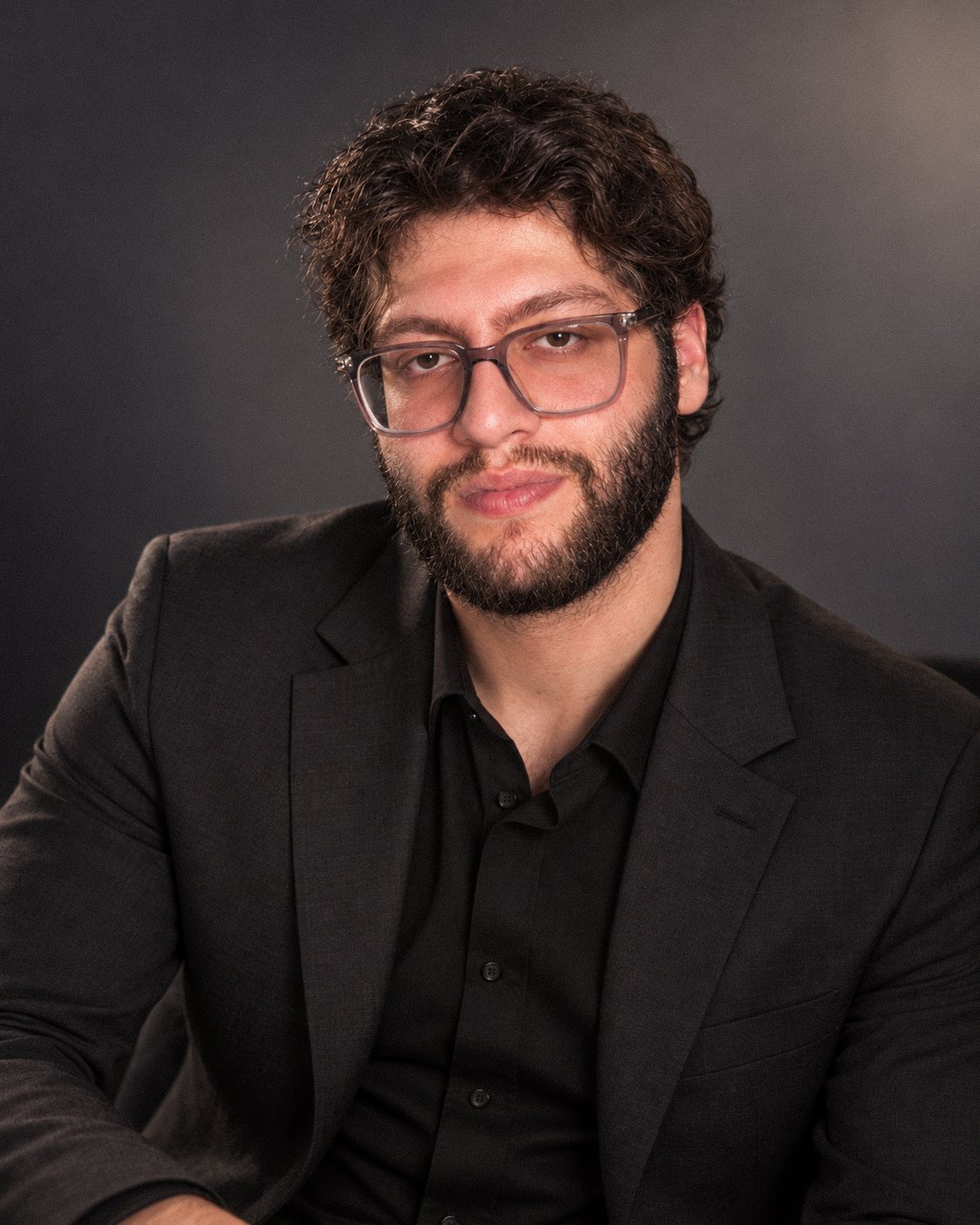
More knowledge, more choices
Cybersecurity remains one of Mohamad’s strongest interests, but his degree is introducing him to possibilities in other areas of computer science. He is keeping an open mind about where those interests could lead.
“My long-term goal is not to obtain one specific job,” he says. “I want to build a career where I can continue learning, develop advanced technical skills, take on greater responsibilities and eventually move into more senior positions.”
The breadth of his education is allowing Mohamad to consider paths he may not have encountered otherwise. He is building the knowledge and adaptability to pursue new opportunities. As technology develops, Mohamad is growing alongside it.
What he's learned so far
As Mohamad moves through the Bachelor of Computer Science program, he is gaining a fuller understanding of the field he wants to build his career in.
“One of the biggest changes in my thinking has been understanding that computer science is not simply about learning how to code,” he says. “Programming is important, but computer science is also about logical thinking, problem-solving, understanding systems, analyzing information and developing efficient solutions.”
His Discrete Mathematics course has shown him how mathematical reasoning and logic relate to computing. Other courses have reinforced the value of communication and teamwork, which is particularly helpful when technology professionals need to explain complex ideas to people with different levels of technical knowledge.
His education is also influencing how he responds when a challenge arises. Rather than immediately searching for an answer, Mohamad works to identify the central issue, gather relevant information and investigate possible causes before deciding how to proceed.
“Instead of assuming that one approach is automatically correct, I try to understand the reasoning behind different ideas.”
Through his undergraduate studies at UFred, he has become a more patient and analytical problem-solver. He has learned that technical knowledge is only one part of developing an effective solution. People must understand the problem, invite questions and communicate clearly along the way.
Human judgment in the age of AI
Mohamad does not believe AI's abilities diminish the value of studying computer science. He sees AI as a powerful tool, not a substitute for education. Mohamad believes educated people are better prepared to evaluate AI-generated work and use technology responsibly.
“AI can generate code, but someone still needs to understand whether that code is correct, efficient, secure, and appropriate for the problem being solved.”
For example, code may appear to function correctly while containing vulnerabilities or introducing risks that are not immediately visible. Recognizing potential problems requires foundational knowledge and human judgment.
The computer science program at the University of Fredericton gives students hands-on opportunities to understand the systems behind the tools they use. Education encourages students to look beyond an AI output and consider how that answer was reached, whether it can be trusted and how it should be applied. That critical thinking is part of the power of a computer science degree.
“University teaches students how to think, how to communicate, how to work with others, and how to continue learning independently.”